Hi Mamas! This is a conversation that happens in our house more often than I'd like to admit. My husband walks through the door with that look in his eyes, you know the one, holding a beautifully packaged candle from Target or HomeGoods. "Babe, I know, I know," he starts before I can even say anything. "But this one smells SO good. Can I just burn it in my office?"
And here's the thing. I get it. I really, really do. Because I used to be that girl. The one with candles lining every shelf, burning them constantly, collecting seasonal scents like they were going out of style. There's something so cozy and comforting about that warm glow and those delicious smells filling your home, especially when the temperature drops and you're trying to create that hygge vibe we all crave during winter.
But then I learned what's actually in most of those candles. And once you know, you can't unknow.
Why Synthetic Fragrances and Candles Are Actually Terrible For You
Here's what the research tells us, and I'll warn you now, it's not pretty. About 95% of the chemicals used in synthetic fragrances come from petroleum, the same stuff we put in our cars. (Yes, that stat comes from a 1986 report by the National Academy of Sciences, but here's the thing: more recent research confirms synthetic fragrances are still primarily derived from petroleum. A 2023 study notes that "synthetic scents, primarily derived from petroleum, are of great concern because they are the cheapest, present in abundance," and even current industry discussions acknowledge "many molecules are going to continue to come from petroleum.") When you see "fragrance" or "perfume" listed on a product label, that single word can represent thousands of different chemicals, potentially over 3,000 different ingredients, and companies aren't required to tell you what they are because it's considered a "trade secret."
Let that sink in for a second. You're breathing in chemicals that companies don't even have to disclose to you.
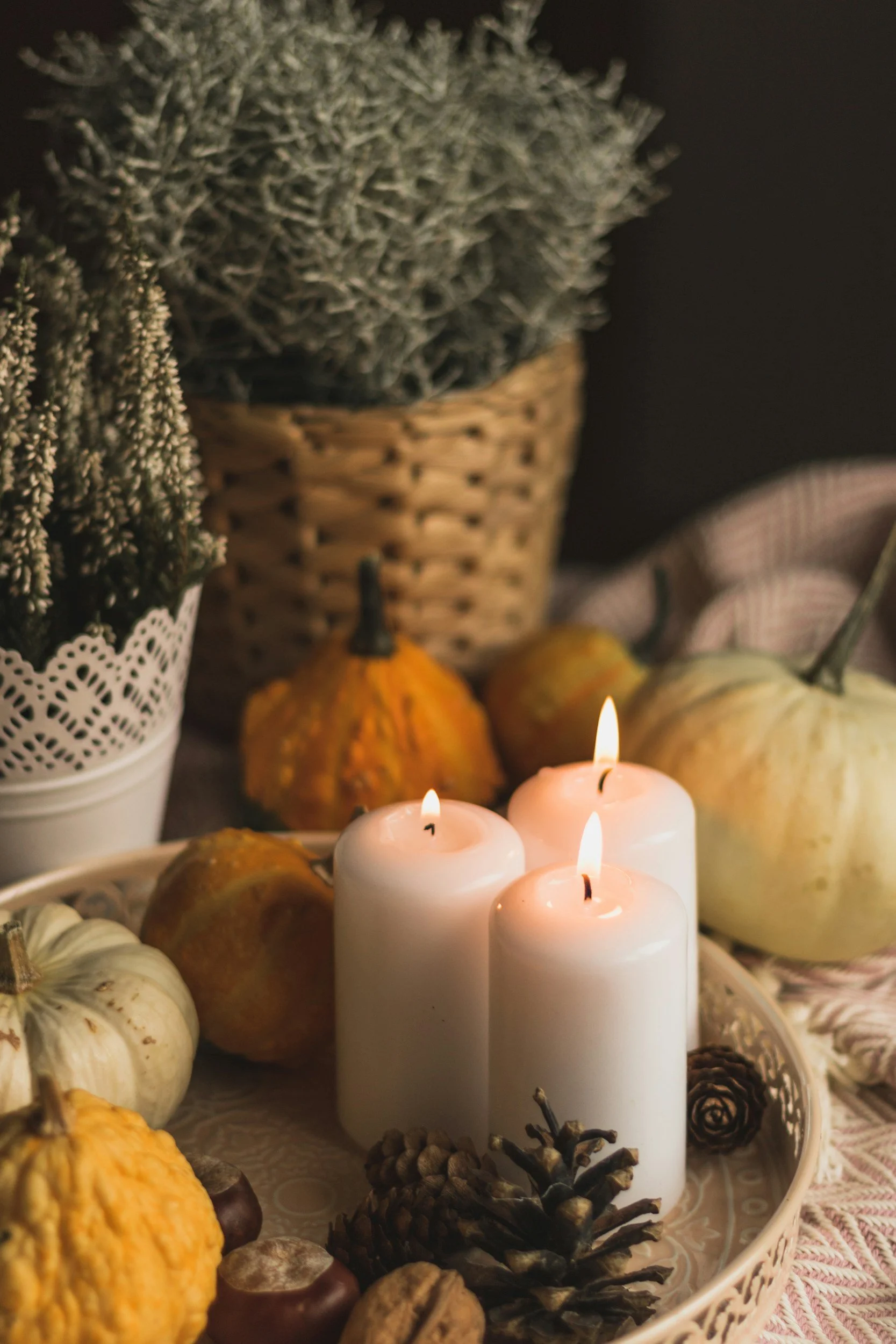
Most conventional candles are made from paraffin wax, which is derived from petroleum. When paraffin candles burn, they release benzene and toluene, both known carcinogens that have been linked to various health problems. These aren't just abstract concerns either. Synthetic fragrances can trigger allergic reactions, contact dermatitis, respiratory disorders, and may act as endocrine disruptors that interfere with your hormonal system.
The symptoms many people experience from synthetic fragrance exposure include headaches, migraines, dizziness, nausea, brain fog, asthma symptoms, and respiratory irritation. And if you're pregnant or have little ones at home, the risks are even more concerning. Phthalates, commonly found in synthetic fragrances, are known hormone disruptors that have been linked to reproductive issues, developmental problems in children, and increased cancer risk.
Even worse? The indoor air pollution from burning scented candles can rival some outdoor pollution levels. We work so hard to keep our homes clean and safe for our families, and then we're unknowingly filling them with toxic chemicals every time we light that "Autumn Harvest" or "Winter Wonderland" candle.
If you want to dive deeper into synthetic fragrances and how they affect our bodies, I talk about synthetic lavender and its effects in my post on non-toxic baby products.
And if you want even more tips on creating a healthier, non-toxic home for your family or if you're pregnant or have little ones at home, you'll love my free Non-Toxic Baby Checklist. It's packed with practical swaps and recommendations for everything from skincare to nursery essentials. Grab your free checklist here and start making safer choices today.
But What About Beeswax Candles?
So this is where my husband and I have reached somewhat of a compromise. "What about those natural candles?" he asks. "The beeswax ones? Those have to be better, right?"
And yes, they are. Significantly better, actually.
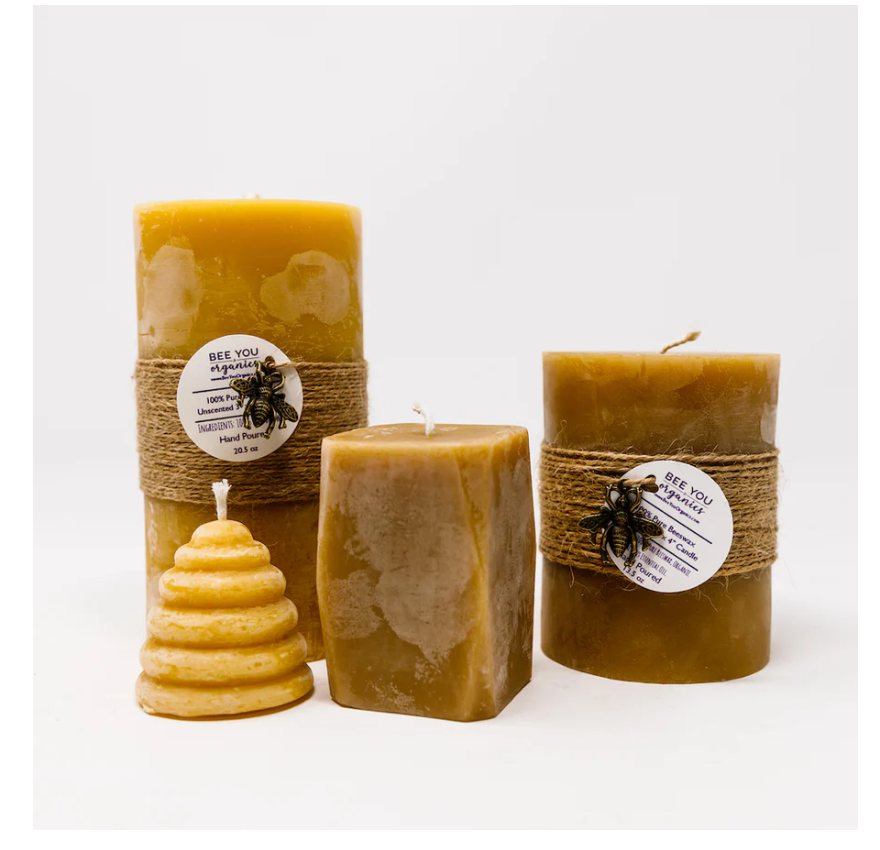
Beeswax is a natural, renewable wax produced by honey bees and contains none of the harmful chemicals found in paraffin wax. Unlike paraffin candles that release toxic chemicals into your air, beeswax candles burn cleanly without spewing benzene, toluene, and all those other concerning VOCs (volatile organic compounds) we just talked about. They produce minimal soot and have a naturally sweet honey scent without any added fragrances.
You might see claims online that beeswax candles produce negative ions that purify the air, but I want to be straight with you: that's not scientifically proven. Atmospheric chemists have looked into this, and there's no solid evidence that burning beeswax actually creates negative ions. What we do know for certain is that beeswax doesn't release the harmful chemicals that paraffin does, and that alone makes it a vastly superior choice.
Beeswax candles also burn significantly longer than paraffin candles, and they emit a light that's closer to natural sunlight rather than the harsh quality of other candles, which means they're easier on your eyes and less likely to make you feel drowsy.
The catch? They're more expensive upfront. But when you consider they burn longer and don't require you to sacrifice your family's health, I'd say they're worth every penny. If you're going to have candles in your home, 100% beeswax with cotton or wood wicks is the way to go. Just make sure the label says "100% beeswax" because anything with 51% beeswax or greater can call itself "pure" beeswax, even if it's mixed with paraffin.
The Beautiful Alternative: Stovetop Potpourri (Simmer Pots!)
Now here's where things get really fun. The method I was trying to remember in my head is called stovetop potpourri or simmer pots. It's basically a bundle of ingredients like fresh citrus, herbs, and spices that you place in a pot with water on your stovetop, and when left on low heat, they fill your space with the most wonderful natural smell.
This is honestly one of my favorite discoveries because it's so simple, so inexpensive, and it makes your house smell absolutely incredible. Plus, as a bonus, the steam from the simmering water acts as a natural humidifier, adding moisture to the air when it's dry during winter.
Here's how simple it is: Fill a pot with water, add your ingredients, bring it to a simmer, then keep it on low heat. You can use the same simmer pot for several days or up to a week by adding more water as it evaporates and refreshing the ingredients when the scent fades. Just don't leave it unattended and make sure to turn it off when you leave the house or go to bed.
You can use whatever you have on hand. Some of my favorite combinations include oranges with cinnamon sticks and cloves for that classic winter scent, apples with cinnamon and nutmeg for a cozy autumn vibe, or lemon with rosemary and a few peppercorns for a fresh, clean scent. Pine needles, cranberries, vanilla extract, star anise, fresh ginger, and bay leaves are all wonderful additions.
The best part? You're using real food and herbs, nothing synthetic, nothing toxic. Just nature doing what it does best.
10+ Ways to Create a Non-Toxic, Cozy Winter Home
Alright, let's get into the practical stuff. Here are my favorite ways to make your home feel warm, inviting, and smell amazing without relying on toxic candles and air fresheners.
1. Master the Simmer Pot
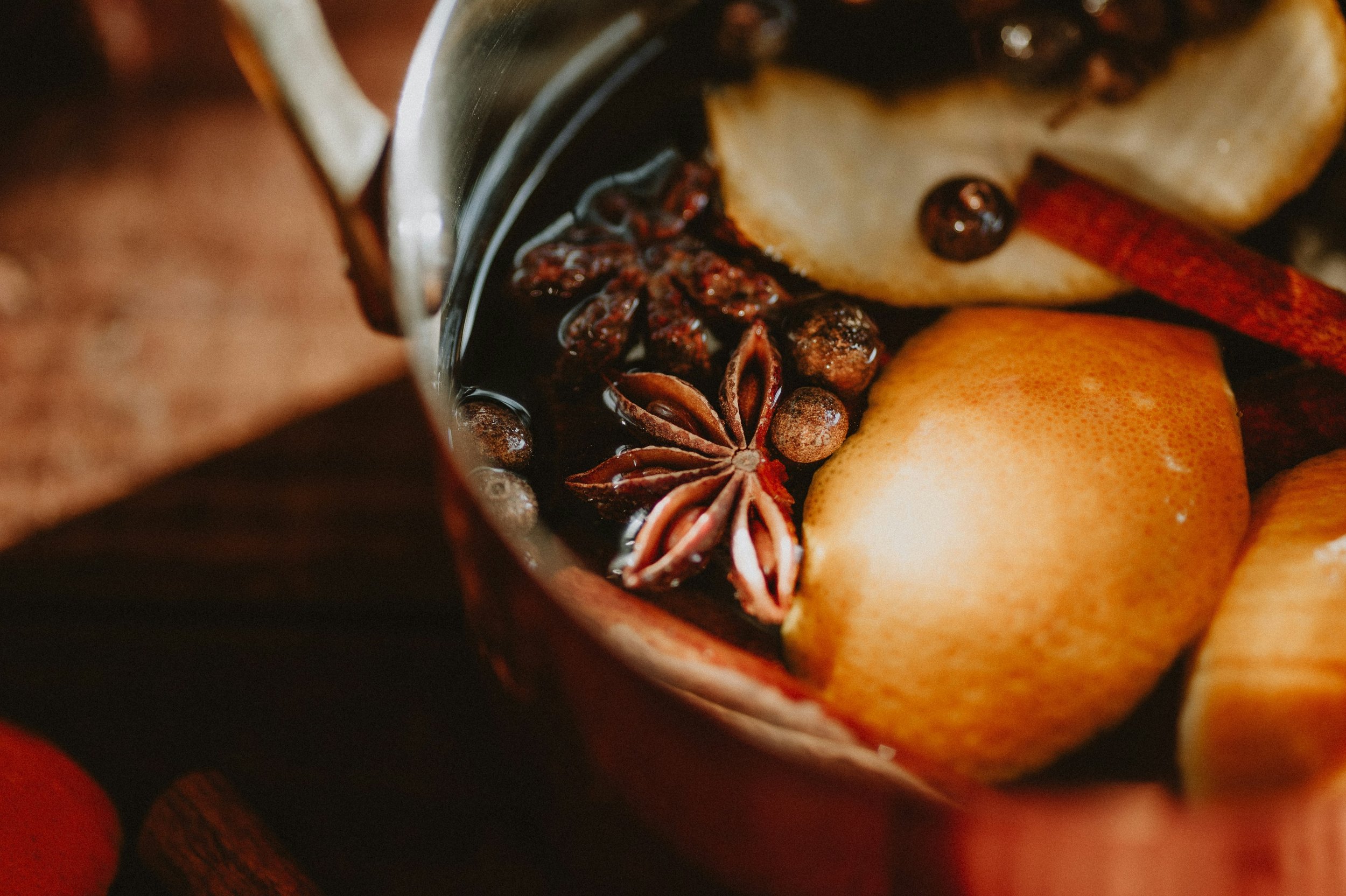
We already talked about this, but it's worth emphasizing because it's truly one of the most effective natural scenting methods. Keep a dedicated pot for this purpose (grab one from a thrift store if you're worried about staining). My go-to winter blend is orange slices, cranberries, cinnamon sticks, whole cloves, a few sprigs of rosemary, and a splash of vanilla extract.
2. Burn the Right Wood in Your Fireplace or Wood Stove
If you're lucky enough to have a wood-burning fireplace or stove, the type of wood you burn can dramatically change how your home smells. Cedar produces a rich, sweet scent and has been used for centuries to create perfumes and incense. It burns quickly but smells incredible. Cherry wood has a sweet, fruity aroma that tends to linger even after the fire has been extinguished. Hickory produces that iconic smoky, savory scent that most people associate with classic wood fires, and it burns hot and long. Oak has a strong, earthy fragrance with notes of vanilla and spice that creates a cozy atmosphere.
3. Add Aromatics to Your Fire
Here's something I learned recently that's a total game changer. You can toss dried orange or lemon peels, pine cones, cinnamon sticks, or small bundles of dried rosemary or sage into your fireplace to enhance the scent. Just make sure everything is completely dry before adding it to avoid excess smoke. The citrus peels give off a wonderfully clean scent, and the herbs add that piney, woodsy aroma.
4. Use a Slow Cooker for Hands-Free Scenting
If you're nervous about leaving something on the stovetop, use your slow cooker instead. Fill it with water and your favorite simmer pot ingredients, set it on high with the lid halfway on until it starts steaming, then turn it to low or warm. You can leave this going for hours without worrying quite as much.
5. Try 100% Beeswax Candles with Cotton Wicks
For those moments when you really want that candle glow (I see you, romantic dinner plans), invest in pure beeswax candles. Make sure they're 100% beeswax with cotton or wood wicks and contain no added synthetic fragrances. They're pricier, but they last longer and won't poison your indoor air.
6. Open Your Windows (Yes, Even in Winter)
I know this sounds counterintuitive, but hear me out. Even in winter, opening your windows for just 10 to 15 minutes a day helps flush out indoor air pollutants and brings in fresh air. Proper ventilation is crucial for reducing indoor air pollution, especially if you're burning anything at all in your home.
And here's something I've always loved: sleeping in a cooler room with the window cracked, even in the dead of winter, buried under a pile of cozy blankets. There's just something so peaceful and refreshing about it. Plus, there are real health benefits to sleeping in cooler temperatures. Cooler rooms promote better sleep quality and help you fall asleep faster since your body naturally drops in temperature when you sleep. Sleeping in a cool environment can boost your metabolism and may even help with weight management. And it can improve melatonin production, which not only helps you sleep better but also has anti-aging properties. So crack that window, pile on the blankets, and breathe in that fresh air.
7. Diffuse Pure Essential Oils (The Right Way)
If you're using essential oils, make sure they're truly pure and not "fragrance oils" or blends that might contain synthetics. Diffuse them in a cool mist diffuser rather than heating them. Winter favorites include eucalyptus, peppermint, pine, cedarwood, and sweet orange.
When shopping for essential oils, look for 100% pure oils from reputable companies. I personally recommend Plant Therapy, Rocky Mountain Oils, or Eden's Garden. All three are U.S.-based companies that provide third-party GC/MS testing to verify their oils are completely pure with no synthetic additives or fillers. They're not MLM companies, which means you get high-quality oils at fair prices without the pressure to join a sales scheme.

Important note if you have pets: Many essential oils are toxic to dogs and cats, even when diffused. Tea tree oil (melaleuca), pennyroyal, wintergreen, pine, and all citrus oils are particularly dangerous. Cats are significantly more sensitive than dogs and lack the liver enzymes to process most essential oils safely. If you have cats, it's safest to skip essential oil diffusing entirely. I actually won't have tea tree oil in my house anymore because of how toxic it is to pets (and humans when ingested internally!) you can read more about why in my post on toxic essential oils [link to your tea tree oil blog post]. If you do diffuse oils with pets in the home, only do so for short periods in well-ventilated areas where your pets can leave the room if they want to.
8. Bake Something Delicious
This might seem obvious, but nothing makes a home smell better than actual food baking in the oven. Cookies, bread, roasted vegetables, a pot roast in the slow cooker. These are real smells from real food, and they make your home feel instantly cozier. Plus, you get to eat the results. I am so looking forward to the day when we’re in our new home and I have more counter space for a bread maker! I have visions of making a loaf a bread each morning to start my day off right before getting the kids up and working in the garden for a bit (in the summer, of course!).
9. Create Sachets with Dried Herbs and Flowers
Fill small fabric bags with dried lavender, rose petals, chamomile, or a mixture of dried orange peel, cinnamon, and cloves. Tuck these in drawers, closets, or even under couch cushions for a subtle, natural scent. You can also hang them near heating vents so the warmth releases the fragrance.
10. Make Your Own Linen and Room Spray
Mix distilled water with a bit of witch hazel or vodka (as a preservative) and add pure essential oils. Pour into a spray bottle and spritz on linens, curtains, or in the air. A blend of lavender, cedarwood, and vanilla is lovely for bedrooms, while lemon, rosemary, and peppermint work beautifully in common areas.
11. Keep Houseplants That Naturally Purify Air
Certain houseplants like snake plants, pothos, spider plants, and peace lilies naturally filter indoor air. While they won't make your home smell like cinnamon rolls, they do help create a healthier indoor environment. Plus, there's something about greenery that just makes a space feel more alive and cozy.
12. Use Unglazed Clay or Lava Stones with Essential Oils
You can place a few drops of essential oil on unglazed clay discs, lava stone beads, or terra cotta tiles and place them near heat sources (like on top of a radiator or near a fireplace). The heat will gently diffuse the scent without burning anything.
13. Bring Fresh Evergreen Branches Indoors
A simple vase of fresh pine, fir, or cedar branches brings that crisp, outdoorsy scent inside. You can also make wreaths or garlands from fresh greenery. As they dry, they continue to release their natural fragrance. Just the act of clipping them releases those wonderful oils.
Bonus: Non-Toxic Tools for Drying Your Own Ingredients
Several of the methods I mentioned above - simmer pots, sachets, and adding aromatics to your fire - work even better when you can preserve your own citrus peels, herbs, and other natural ingredients. A stainless steel food dehydrator is a game changer for this.
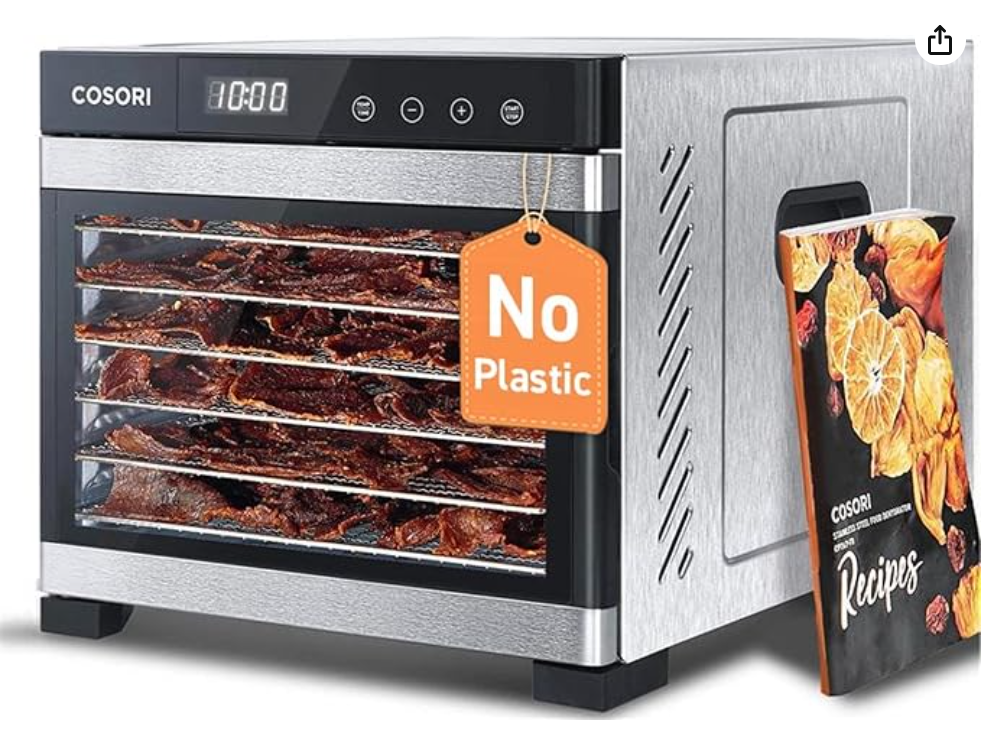
I recommend looking for dehydrators with stainless steel trays rather than plastic ones to avoid any BPA concerns, especially when you're heating food for extended periods. Here are my top picks:
Mid-Range Options ($200-350):
Cosori Premium Stainless Steel Food Dehydrator
Stainless steel trays, mesh screens, and outer casing
Digital timer (up to 48 hours), temperature range 95-165°F
Dishwasher-safe stainless steel trays
Note: Fruit roll sheet is plastic, but main food contact surfaces are stainless steel
BioChef Arizona Sol Food Dehydrator
9 stainless steel trays with horizontal drying system (no tray rotation needed)
BPA-free polypropylene casing with glass door
Includes 3 non-stick sheets, 3 fine mesh sheets, and drip tray
Great for beginners
Professional-Grade Options ($400-600+):
TSM Products or STX International Stainless Steel Food Dehydrators
Completely constructed from 304 food-grade stainless steel
Zero plastic contact with food
Heavy-duty, commercial-grade quality for home use
Will last for decades with proper care
These are perfect for drying orange and lemon peels, apple slices, cranberries, herbs like rosemary and sage, and anything else you want to use in your simmer pots, sachets, or fireplace aromatics. Plus, they're excellent for preserving your summer garden harvest and making healthy snacks year-round!
Love these practical, non-toxic living tips? Subscribe to The Untamed Mama for weekly inspiration on natural parenting, outdoor adventures, and creating a healthier home without the overwhelm. Join our community of intentional mamas who are figuring it out one swap at a time!
The Real Conversation We Need to Have
Look, I'm not going to lie to you. Making this switch hasn't been seamless in our house. My husband still occasionally sneaks a candle into his office. And there are moments, especially during the holidays, when I walk past the candle aisle and feel nostalgic for my old Woodwick candle days.
But here's what I keep coming back to: our bodies are already exposed to so many chemicals we can't control. The air pollution outside, the pesticides on produce, the forever chemicals in our water supply. When it comes to what we burn inside our homes, the air our children breathe while they sleep, the environment we create within our own four walls, we actually do have a choice.
And once I learned what synthetic fragrances and paraffin candles were doing to our health, I couldn't justify that choice anymore. Not when there are so many beautiful, natural alternatives that work just as well and sometimes even better.
Your home can still smell amazing. It can still feel cozy and warm and inviting. You can still create that magical winter atmosphere without sacrificing your family's health. It just takes a little creativity and a willingness to try something new.
Now if you'll excuse me, I have a pot of oranges, cinnamon, and cloves calling my name. And honestly? My house has never smelled better.
Ready to dive deeper into non-toxic living? If you found this post helpful, you'll love The Untamed Mama's weekly newsletter where I share more practical swaps, honest product reviews, and real-life tips for raising healthy kids in our modern world.
What are your favorite ways to make your home smell good naturally? Drop a comment below and let's share ideas. We're all in this untamed motherhood journey together, figuring it out one non-toxic swap at a time.
xo,
The Untamed Mama